Introduction
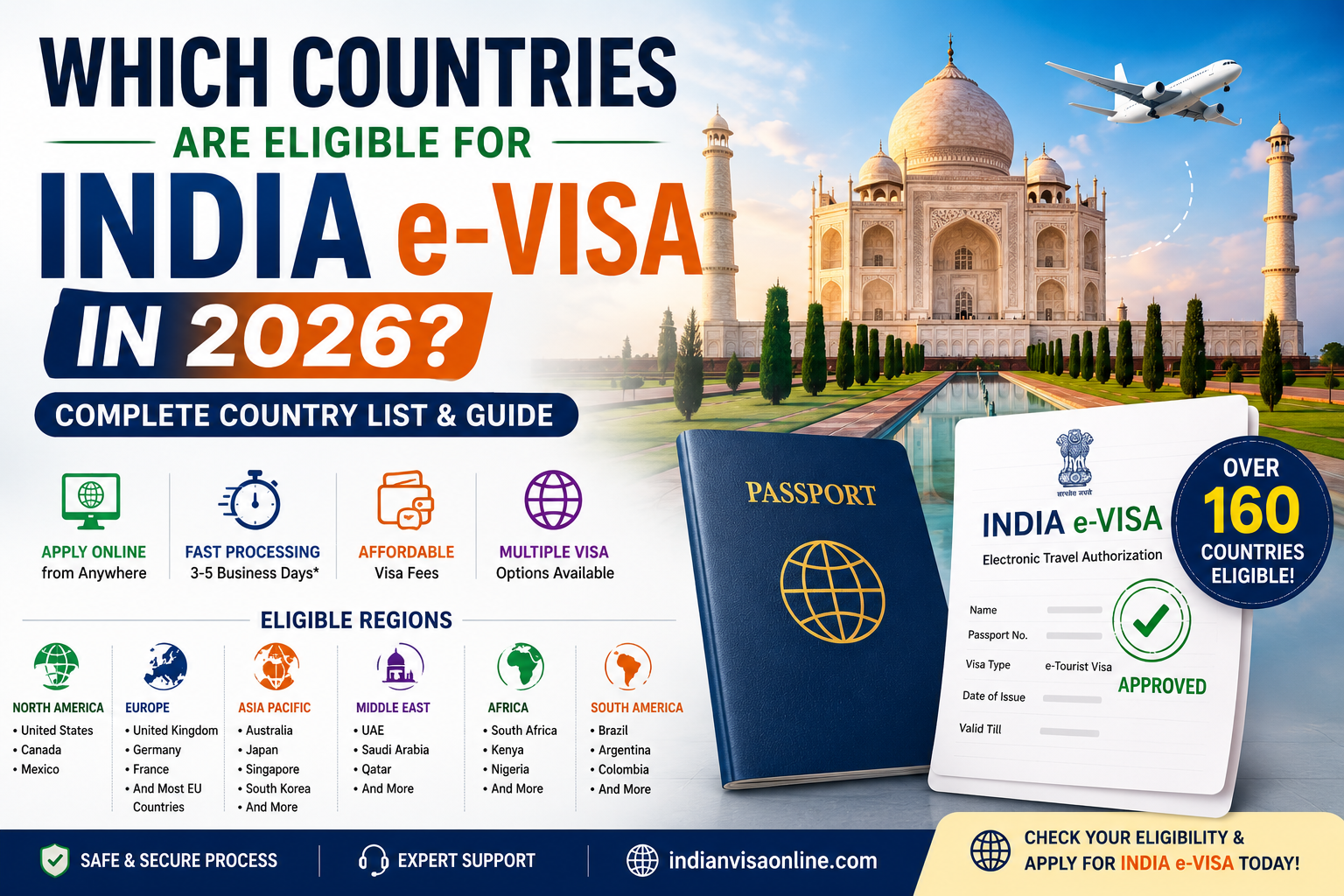
Planning your first trip to India is an exciting adventure — but the visa process can seem daunting if you have never done it before. The good news is that applying for an India visa in 2026 is simpler than ever, especially with the e-Visa system that allows most travelers to complete the entire process online from home.
This complete beginner's guide walks you through everything a first-time traveler needs to know about India visas: the different types available, who qualifies, what documents you need, how to apply step by step, how much it costs, and expert tips to ensure your application is approved on the first try.
Do You Need a Visa to Travel to India?
Yes. Almost all foreign nationals require a visa to enter India. India does not offer visa-free access to most countries. The only notable exceptions are nationals from Bhutan and Nepal, who do not require a visa to enter India.
For US, UK, Canadian, Australian, European, and most other citizens — a visa is mandatory before arrival. The good news is that the process is now largely online via the India e-Visa system.
Types of India Visa: Which One Do You Need?
India offers several visa categories depending on the purpose of your travel. As a first-time traveler, it is important to select the correct category, as using the wrong visa type can result in denial of entry.
1. India Tourist Visa (e-Tourist Visa)
The most common visa for first-time travelers. If you are visiting India for sightseeing, family visits, recreation, attending a short course (yoga, cooking), or just exploring the country — this is the visa you need.
- Validity options: 30 days, 1 year, or 5 years
- Entries: Double (30-day) or multiple (1-year and 5-year)
- Stay per visit: Up to 90 days (up to 180 days for some nationalities)
2. India Business Visa (e-Business Visa)
For travelers visiting India for business meetings, trade negotiations, industrial/business ventures, or attending business conferences and events.
- Validity: 1 year
- Entries: Multiple
3. India Medical Visa (e-Medical Visa)
For travelers coming to India specifically for medical treatment at a recognized Indian hospital or medical center.
- Validity: 60 days
- Entries: Triple
4. India Student Visa
For those enrolled in a full-time academic program at a recognized Indian university or educational institution.
- Validity: Duration of the academic program
5. India Ayush Visa (e-Ayush Visa)
For travelers seeking traditional Indian wellness treatments such as Ayurveda, Yoga teacher training, Unani, Siddha, or Homeopathy at registered AYUSH centers.
- Validity: 60 days
- Entries: Triple
India e-Visa vs Embassy Visa: What is the Difference?
As a first-time applicant, you will likely come across two main routes:
India e-Visa (online): Applied entirely online. No embassy visit required. Faster processing (3-5 days). Best for most first-time travelers visiting for tourism, business, or medical purposes.
Embassy Visa (sticker visa): Requires visiting the Indian embassy or consulate with physical documents. Takes longer. Needed for long stays, employment, land border entry, or if your nationality is not e-Visa eligible.
For most first-time tourists, the e-Visa is the recommended and easiest option.
India e-Visa Requirements for First-Time Travelers
Before you begin your application, make sure you have the following:
Passport Requirements
- Valid passport with at least 6 months validity from your date of travel to India
- At least 2 blank pages for entry/exit stamps
- The passport used for the application must be the same passport you travel with
Photo Requirements
- Recent passport-size photograph (taken within last 6 months)
- Size: 2 x 2 inches (51 x 51 mm)
- White or off-white background
- No hats, glasses, or face coverings
- Face should be clearly visible and centered
Other Requirements
- Valid email address — your e-Visa will be delivered here
- Credit or debit card for online payment
- Return flight ticket or travel itinerary
- Proof of accommodation in India (hotel booking or invitation letter from host)
- Sufficient funds for your stay
Step-by-Step: How to Apply for India e-Visa as a First-Time Applicant
- Choose the right visa category based on your purpose of travel (most first-timers need Tourist e-Visa)
- Visit the official India e-Visa government portal or use a trusted assistance service like indianvisaonline.com for expert guidance
- Fill in the online application form accurately — personal details, passport information, travel dates, accommodation in India
- Upload your passport scan (biographical page) and passport-size photograph
- Upload any additional documents required for your visa type
- Review all information carefully before submitting — errors can lead to rejection
- Pay the visa fee using a secure online payment method
- Submit the application and save your Application Reference Number
- Track your application online using the reference number
- Once approved, receive your e-Visa via email — print it and carry it when you travel
Pro Tip: Always double-check all spellings match exactly with your passport. Even a small error in name spelling can cause delays or rejection.
India Visa Processing Time in 2026
For e-Visa applications:
- Standard processing: 3 to 5 business days
- Assisted/express processing: 1 to 2 business days
Recommended: Apply at least 10 to 14 days before your planned travel date to allow buffer time.
How Much Does India Visa Cost for First-Time Travelers?
Visa fees depend on your nationality, visa type, and validity chosen. As a general guide for 2026:
- 30-day e-Tourist Visa (US citizens): Approximately USD 10 to USD 25
- 1-year e-Tourist Visa: Approximately USD 40 to USD 80
- e-Business Visa: Approximately USD 80
- e-Medical Visa: Approximately USD 25 to USD 50
Government fees are in addition to any service or assistance fees if using a third-party provider.
What Happens at Indian Immigration for First-Time Visitors?
When you land at an Indian international airport, here is what to expect:
- Proceed to the immigration counter (look for "e-Visa" or "Foreign Nationals" lanes)
- Present your printed e-Visa along with your passport
- The immigration officer will scan your e-Visa QR code and verify against the database
- You may be asked about your purpose of visit, accommodation address, and length of stay — be ready to answer clearly
- Your passport will be stamped with the entry date and allowed period of stay
- Collect your baggage and proceed through customs
Important: Always carry a printed copy of your e-Visa. While it is electronically linked to your passport, immigration officers may request a physical copy for verification.
Top Mistakes First-Time India Visa Applicants Make
- Applying for the wrong visa category (e.g., tourist visa for medical travel)
- Photo not meeting specifications — wrong size, dark background, or glasses
- Passport validity less than 6 months — always check before applying
- Spelling errors in the application not matching the passport
- Applying too close to the travel date and not leaving enough processing time
- Not printing the e-Visa and assuming the QR code on the phone is sufficient
- Not saving the Application Reference Number for tracking
Frequently Asked Questions for First-Time India Visa Applicants
Can I extend my India Tourist e-Visa once I am in India?
The standard e-Tourist Visa cannot be extended in India. You must exit and re-enter (if your visa allows multiple entries) or apply for a new visa. For extended stays, applying for the longer 1-year validity e-Tourist Visa upfront is recommended.
Can I apply for India visa on arrival?
India does not offer a standard visa on arrival for most nationalities. You must obtain your visa before traveling. The only visa facility available at airports is the e-Visa — which still requires applying online before your flight.
Do children need a separate visa for India?
Yes. Every traveler regardless of age requires their own separate visa. Children must have their own passport and their own visa application.
What is the difference between visa validity and permitted stay?
Visa validity is the window during which you can enter India. Permitted stay is how long you can remain in India per visit once you enter. For example, a 1-year e-Tourist Visa is valid for 1 year (meaning you can enter India at any point during that year), but your permitted stay per visit may be up to 90 days.
Expert Tips for First-Time India Visa Applicants
- Use a trusted visa assistance service to avoid errors — professional review can prevent costly mistakes
- Apply with ample time before travel — 2 weeks minimum, 4 weeks ideal
- Choose 1-year validity if you plan to visit India more than once in the year
- Save all correspondence, reference numbers, and email confirmations
- Check your spam folder — your e-Visa approval email may land there
- Make sure your travel insurance is in order before departing
Conclusion
Getting your India visa for the first time does not have to be complicated. With the e-Visa system, most travelers can complete the entire application in under 30 minutes from home. The key is choosing the right visa type, preparing your documents correctly, and submitting your application well in advance.
At indianvisaonline.com, we specialize in helping first-time and repeat travelers apply for India e-Visas accurately and efficiently. Our expert team is available from 9 AM to 9 PM EST to guide you through every step of the process.
Ready to start your India journey? Apply for your India e-Visa today at indianvisaonline.com — fast, reliable, and expert-assisted.


